
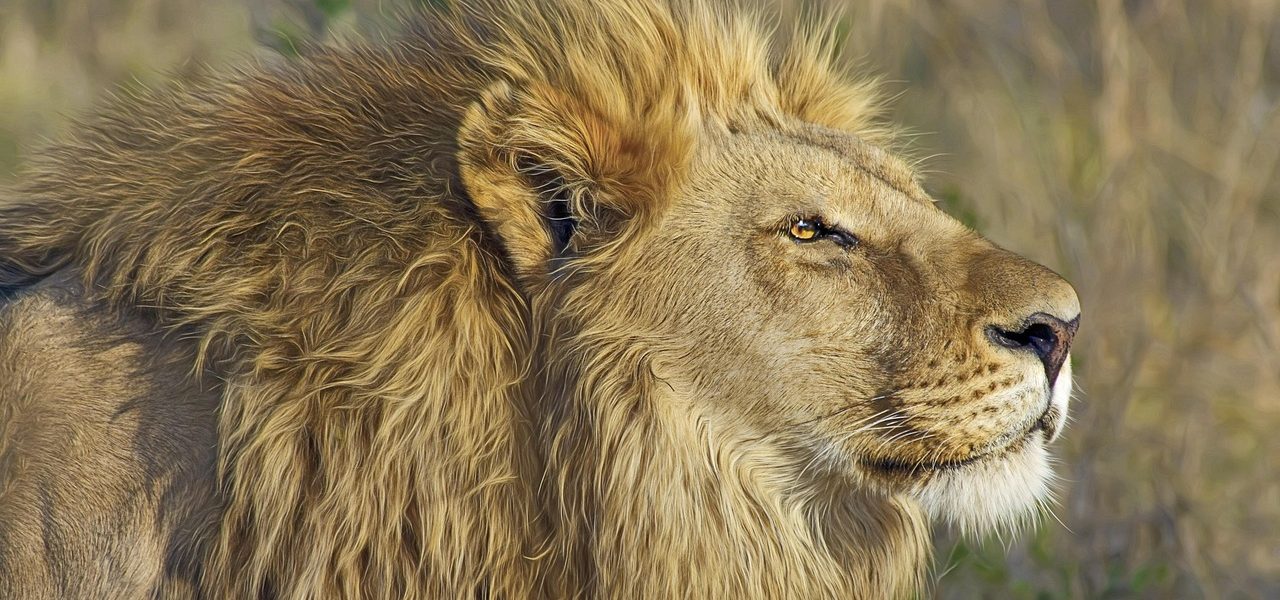
Ongata Rongai, located on the southern edge of Nairobi National Park, has increasingly become a hotspot for human-wildlife conflict in Kenya. What was once a buffer zone between urban life and wilderness is now a rapidly expanding residential area, bringing people into direct and sometimes dangerous contact with wild animals, particularly lions.
From lions snatching dogs in gated homes to tragic attacks on humans, Rongai presents one of the clearest examples of the growing tension between conservation and urbanization.
Rising Incidents: From Pets to People
Lions Killing Domestic Animals
In recent years, multiple incidents have been reported where lions have entered residential compounds in Rongai and killed domestic animals, especially dogs.
- CCTV footage has captured lions scaling perimeter walls and snatching pets from homes at night
- A well-known lioness, later captured by authorities, was linked to repeated dog killings across estates like Rimpa, Nkoroi, and Olekasasi
- In early 2026, multiple lions including a lioness and her cubs were found roaming within residential neighborhoods, triggering fear among residents
These incidents highlight how predators are increasingly adapting to human environments and targeting easier prey.
Lions in Residential Areas
Sightings of lions in Rongai are no longer rare they are becoming alarmingly frequent.
- Lions have been spotted moving through estates, sometimes several kilometers from the park boundary
- Entire prides have been tracked within residential zones, forcing intervention from the Kenya Wildlife Service (KWS)
- Some lions have even been found injured, likely from clashes with residents trying to defend their property
For many residents, especially families with children, this has created a constant sense of insecurity.
Fatal Attacks on Humans
While rare, attacks on humans have occurred and when they do, they are devastating.
- In 2025, a teenage girl was killed after a lion entered a residential compound near Rongai
- Reports indicate the lion may have been driven by lack of prey and was able to access the home through inadequate fencing
Such incidents, though statistically rare, underscore the seriousness of the conflict and the risks faced by communities living near wildlife areas.
Why Is This Happening?
Human-wildlife conflict in Rongai is not random it is driven by a combination of environmental, infrastructural, and human factors.
1. Unfenced Southern Boundary of the Park
Unlike other sides, the southern boundary of Nairobi National Park remains open.
- This open corridor is essential for wildlife migration
- However, it allows animals to move freely into human settlements like Rongai, Kitengela, and Athi-Kapiti
While over 80% of the park is fenced, this gap creates a direct interface between predators and people.
2. Predators Following Migrating Prey
Wildlife movement patterns play a major role.
- During rainy seasons or environmental changes, herbivores migrate out of the park
- Predators like lions, leopards, and hyenas follow them into nearby communities
This natural ecological behavior is now clashing with expanding human settlements.
3. Urban Expansion and Encroachment
Rongai has experienced rapid population growth and real estate development.
- Residential estates are being built on former wildlife dispersal areas
- Human activity is shrinking wildlife habitats and pushing animals closer to people
In simple terms: people are building homes where wildlife used to roam.
4. Infrastructure Development (Roads & Railways)
Major infrastructure projects have disrupted natural wildlife corridors.
- Roads and railways, including major transport corridors, cut through migration routes
- These developments fragment habitats and force animals to find alternative paths often through residential areas
This increases confusion, displacement, and conflict.
5. Drought and Scarcity of Prey
Environmental stress is another major trigger.
- During droughts or periods of prey scarcity, lions may venture further in search of food
- In some cases, they turn to livestock or even pets as easier targets
- In extreme situations, this can lead to attacks on humans
The Bigger Picture: A Conservation Dilemma
Rongai represents a larger challenge facing Kenya:
- How do you protect wildlife while ensuring human safety?
- How do you maintain migration corridors without exposing communities to danger?
The open southern corridor of Nairobi National Park is critical for biodiversity and genetic survival of species but it also places nearby communities at risk.
Possible Solutions
Addressing human-wildlife conflict in Rongai requires a balanced approach:
- Improved fencing and predator-proof barriers in high-risk residential areas
- Better land-use planning to prevent settlement in key wildlife corridors
- Community awareness and early warning systems
- Compensation programs for livestock and property loss
- Technology solutions like GPS tracking and real-time alerts
Conclusion
Human-wildlife conflict in Rongai is a growing reality shaped by urban expansion, environmental change, and ecological necessity. From lions killing dogs to tragic human fatalities, the situation highlights the fragile balance between people and nature.
As Nairobi continues to grow, Rongai sits at the frontline of this conflict, a place where the wild is no longer distant, but right at the doorstep.